

The Ministry of Municipalities and Housing announced an update to the requirements for tourist hospitality facilities, in a step aimed at developing the tourism investment environment, improving the quality of services provided to citizens, visitors, and residents, in line with the objectives of Vision 2030 to build sustainable cities and enhance quality of life across the Kingdom’s regions. The Ministry explained that these requirements come as part of a package of initiatives designed to create an integrated urban environment that encourages compliance and enhances the competitiveness of the tourism sector. The updated requirements were developed by leveraging global best practices in the design and operation of hospitality facilities, promoting a culture of compliance with municipal regulations, enhancing environmental sustainability, and improving the urban landscape in Saudi cities. They also ensure alignment with local regulations such as the Saudi Building Code and the standards issued by the Ministry of Tourism and other technical and regulatory bodies. The updated requirements cover aspects related to location, urban planning, and architectural design, as well as operational requirements, general cleanliness, safety, secure electronic payment solutions, accessibility standards for people with disabilities, and other elements that ensure a high-quality hospitality environment that meets users’ needs and aligns with modern industry standards. The Ministry emphasized that compliance with these requirements is a shared responsibility that contributes to creating a safe investment environment and achieving a balance between urban development needs and preserving urban identity, making Saudi cities a regional and global model to follow. The updated requirements can be accessed via the following link: https://momah.gov.sa/sites/default/files/2025-04/ashtratat%20mrafq%20aldyaft%20alsyahy%20m%60tmd.pdf
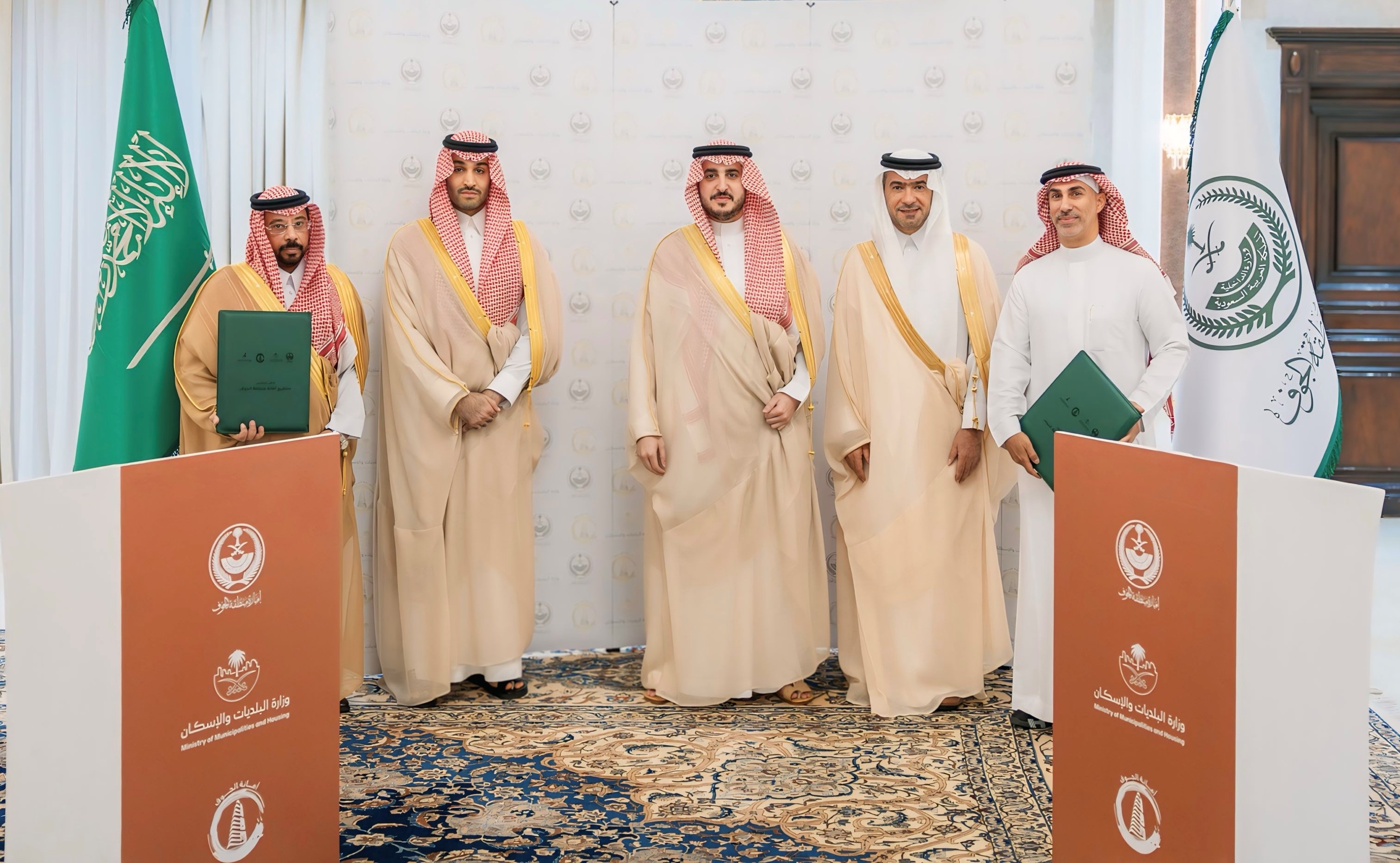
As part of its efforts to expand partnerships that support innovation and accelerate the pace of digital transformation, “Balady” signed a strategic Memorandum of Understanding with Al-Jouf Municipality to establish a qualitative partnership that opens new horizons for developing municipal services and enhancing the user experience. The signing ceremony was held under the patronage of His Royal Highness Prince Faisal bin Nawaf bin Abdulaziz Al Saud, Governor of Al-Jouf Region, and in the presence of His Excellency the Minister of Municipalities and Housing, Mr. Majed bin Abdullah Al-Hogail. The MoU was signed by Al-Jouf Municipality Mayor, Eng. Atef bin Mohammed Al-Shar’an, and the CEO of “Balady,” Mr. Yasser bin Nasser Al-Obaidan. On this occasion, His Excellency Al-Hogail stated: “We believe that strategic partnerships in the municipal sector are a key driver to achieving the objectives of Vision 2030. Today, we are working to build a municipal service ecosystem that is more innovative, more sustainable, and closer to the citizen.” He added that the partnership between “Balady” and Al-Jouf Municipality embodies this direction, where digital solutions and modern technologies are transformed into a reality that directly impacts quality of life in cities and empowers municipalities to respond to residents’ needs with greater efficiency and flexibility. For his part, Al-Jouf Municipality Mayor, Eng. Atef bin Mohammed Al-Shar’an, affirmed that the signing of this MoU represents a turning point in developing municipal services in the region, noting that the collaboration with “Balady” will provide the municipality with more effective tools to enhance operational efficiency, launch innovative initiatives that support sustainable development, and meet the aspirations of Al-Jouf’s residents and visitors. The CEO of “Balady,” part of NHC Innovation, explained that this collaboration is a practical step toward achieving the objectives of Vision 2030 in building smart and sustainable cities. He added that the cooperation with “Al-Jouf Municipality” will enhance the municipal sector’s readiness to meet the needs of citizens and residents through advanced digital services and high-efficiency technical solutions. The Memorandum of Understanding between “Al-Jouf Municipality” and “Balady” establishes a strategic partnership focused on developing smart municipal services and building innovative digital solutions. The MoU also includes launching training programs and specialized workshops that enable municipal staff to gain new expertise and exchange best practices with the “Balady” team, thereby improving operational efficiency and fostering an innovative work environment. The partnership also includes activating “Fast Track” services, allowing users to access more flexible and faster solutions, based on advanced operational standards inspired by the best global and local practices in the municipal services sector. Furthermore, the MoU stipulates the full integration of the “Balady” unit into Al-Jouf Municipality, including defining roles, responsibilities, and work mechanisms, to ensure the provision of more effective and sustainable services that meet the needs of the region’s residents and visitors. Through this partnership, both “Al-Jouf Municipality” and “Balady” reaffirm their commitment to enhancing innovation in the municipal sector and developing modern services that align with the ambitions of Vision 2030, contributing to building more sustainable cities and improving quality of life for residents and visitors.
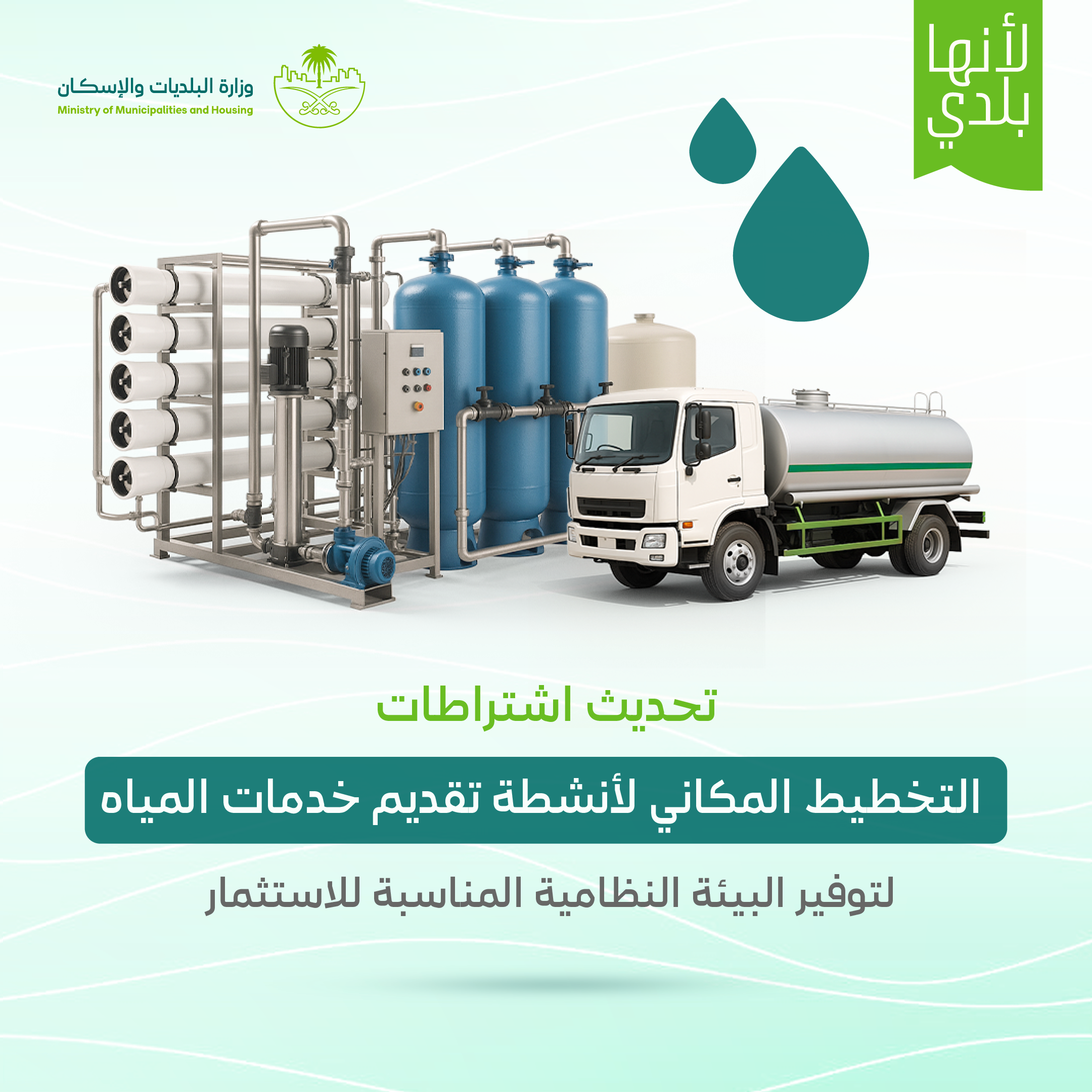
The Ministry of Municipalities and Housing has announced the updated requirements for the spatial planning of water service activities, in a step aimed at improving the business environment, encouraging investment, and raising compliance standards. This initiative seeks to enhance the quality of utilities and services provided to individuals and communities while achieving a balance between urban development needs and the preservation of Saudi cities’ urban fabric. The Ministry explained that the updated spatial planning requirements for water service activities were prepared in collaboration with relevant authorities and are based on modern technical and regulatory standards that consider the unique nature of the activity and its location within the urban fabric. The update emphasizes the integration of operational, technical, and environmental aspects to ensure the provision of efficient, safe, and high-quality water services. The update covers several activities, such as desalination and water purification plants, ensuring their regulation within a clear framework that considers environmental and urban dimensions, enhances regulatory compliance, and improves the efficiency of facilities related to this vital sector. The Ministry stressed that compliance with these regulations is a shared responsibility that reflects urban awareness and contributes to improving the quality of life in the Kingdom’s cities. This issuance is part of the Ministry’s ongoing commitment to updating regulations and developing services related to critical activities, in order to provide a regulatory environment that supports investments while maintaining the quality of the urban landscape and public safety. The Ministry of Municipalities and Housing called on all sector stakeholders to review the updated requirements and comply with them by visiting the link: https://momah.gov.sa/sites/default/files/2025-03/ashtratat%20altkhtyt%20almkany%20lanshtt%20tqdym%20khdmat%20almyah.pdf.

البلديات والإسكان" تطلق مبادرة "تطوعك يبني مستقبلك" لتعزيز المشاركة المجتمعية
The Ministry of Municipalities and Housing has launched the “Your Volunteerism Builds Your Future” initiative, which aims to strengthen the culture of volunteer work as one of the pillars of sustainable community development. The initiative also seeks to enhance individual participation in improving the urban landscape and raising the quality of life, aligning with the objectives of Vision 2030. The Ministry emphasized that the initiative is part of a strategic framework that enables individuals to directly contribute to the development of their urban environment through well-structured volunteer pathways that address neighborhood needs. These initiatives are implemented in partnership with institutions and governed by frameworks that ensure efficiency and sustainability. According to Ministry statistics, by the end of June 2025, the total number of volunteers participating in its initiatives exceeded 171,494 volunteers, with contributions distributed across service, humanitarian, and developmental areas. These include housing, community monitoring, and environmental programs, as well as humanitarian efforts such as supporting funeral services and assisting bereaved families. The Ministry explained that the growing turnout for volunteering initiatives reflects increasing community awareness and the success of efforts to transform volunteerism into a regular practice with a tangible impact on residents’ daily lives. Volunteer work is seen as an essential driver to enhance belonging, national responsibility, and the quality of municipal services. Additionally, the ministry announced the implementation of several key initiatives over the past period, including the “Volunteerism Hackathon,” which serves as a platform for co-created developmental solutions, the National Volunteerism Award, and the International Program for Empowering Volunteer Leaders. These programs target individuals aged 18 and above, aiming to empower youth, encourage innovation, and ensure inclusive volunteering opportunities for all segments of society. The Ministry invites interested individuals to register for the “Your Volunteerism Builds Your Future” initiative via the official link: https://balady.go.link/3TVGQ.
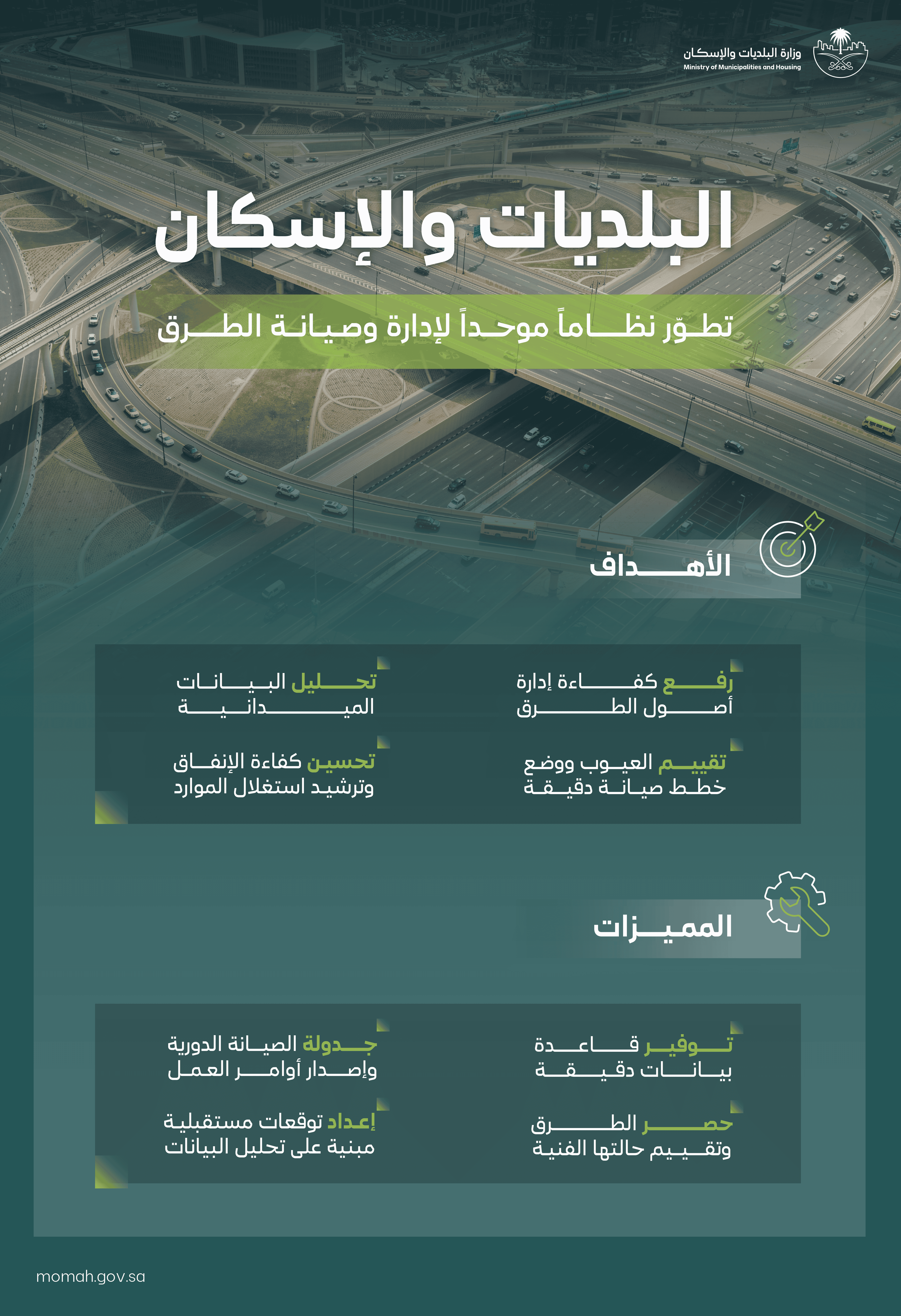
The Ministry of Municipalities and Housing continues its efforts to enhance infrastructure efficiency and improve the quality of municipal services through the development of a unified digital system for the management and maintenance of urban roads across the Kingdom. The new system is considered one of the Ministry’s most strategic projects, as it leverages the latest digital analytics and geo-mapping technologies to improve the quality of road networks, strengthen transparency in monitoring their technical condition, and accurately determine maintenance priorities. The project aims to raise the efficiency of road asset management by tracking its various components, analyzing field data, and systematically assessing defects to enable precise maintenance planning. The system also contributes to improving spending efficiency, optimizing resource utilization, and providing decision-makers with advanced tools for long-term planning. The system is characterized by its comprehensiveness and integration, as it provides an accurate database that includes an inventory of roads, assessment of their technical condition, scheduling of periodic maintenance, issuance of work orders, and preparation of future forecasts based on data analysis. It also integrates with national platforms and local systems within the municipalities, and provides flexible user interfaces that facilitate access to its services for beneficiaries and relevant entities. The system contributes to enhancing the efficiency of road network management and achieving national targets, by improving budget allocation for municipalities, strengthening traffic safety levels, and increasing beneficiary satisfaction with the quality of municipal services. It also supports the Kingdom’s position to rank among the top six countries globally in terms of road network quality. This project comes within the Ministry’s efforts to consolidate the sustainability of Saudi cities through technological solutions that enhance quality of life and align with the objectives of Vision 2030 to build a modern urban environment that meets the aspirations of road users.

The Ministry of Municipalities and Housing issued more than 5,000 licenses for collective housing properties for individuals through “Balady” platform and launched four initiatives under the “More Beautiful Cities” program to strengthen efforts for comprehensive visual distortion treatment and enhance quality of life in Saudi cities during the first half of 2025. The Ministry explained that it had implemented a package of developmental projects and programs, including the launch of the debt portfolio in 15 municipalities, raising awareness of the importance of the Objections Platform in 16 municipalities covering 25 services, in addition to reducing the average time required to process objections to just 9 working days compared to 30 days in 2024. In terms of improving the urban landscape, coverage of visual distortion monitoring exceeded 90% in major cities following the expansion of inspection scope, with the activation of the smart assignment engine for regulatory field tours in 16 municipalities, supported by more than 7,000 field inspectors. The Ministry also identified eight new elements of visual distortion, while leveraging cleaning contractors to improve the efficiency of field treatments. On the municipal service development front, the Ministry launched five new qualification services through the “Balady Business” platform, which include: (qualification of engineering offices for issuing construction permits, qualification of engineering offices for issuing commercial permits, qualification of engineering offices for issuing collective housing permits for individuals, qualification of engineering offices to supervise construction permits, qualification of engineering offices to supervise excavation permits). Furthermore, the Ministry adopted the Regulation on the Election of Heads of Crafts and Professions and their Deputies, covering more than 130 guilds and professions across the Kingdom, thereby promoting knowledge and professional empowerment in the field of urban operations. It also updated the health, technical, and safety requirements guide for collective housing for individuals, strengthening compliance with spatial regulations and streamlining licensing requirements. The Ministry of Municipalities and Housing emphasized that these achievements come as part of its ongoing efforts to raise the efficiency of municipal services, improve the investment environment, and achieve the objectives of Vision 2030 by developing cities, empowering national talents, and enhancing quality of life across all regions of the Kingdom.
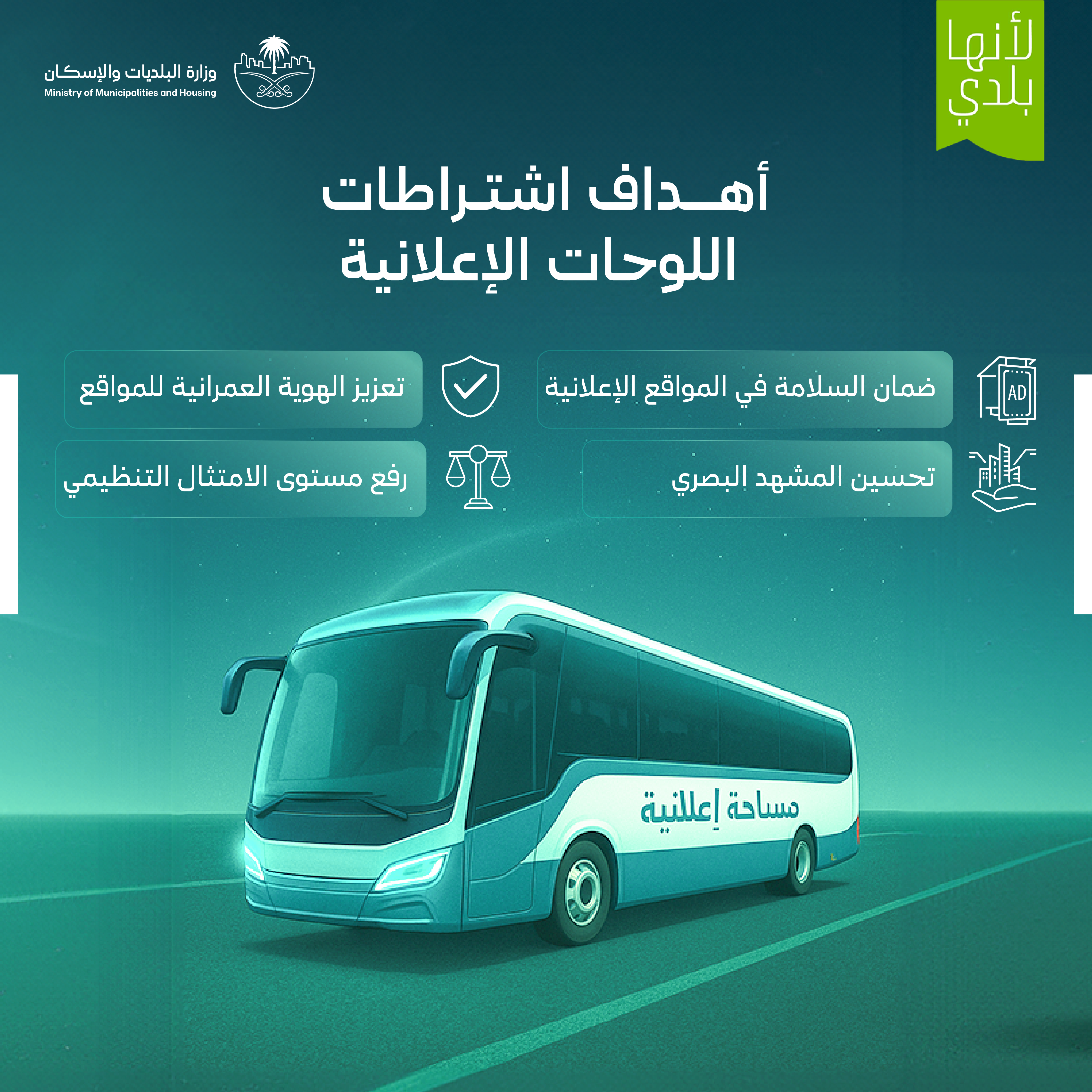
The Ministry of Municipality and Housing has announced the issuance of updated regulatory requirements for permanent and temporary advertising billboards in cities across the Kingdom. This comes as part of its ongoing efforts to develop the urban landscape and enhance visual appeal in the built environment, striking a balance between urban aesthetics and advertising activity. The ministry clarified that the new requirements set precise standards that take into account the local architectural character of each region, aligning with approved design guidelines or building codes. These standards help regulate the use of billboards on roads, buildings, and public facilities, while considering safety elements and the overall appearance. The updated regulations also allow for creative advertising content within a framework of organization and compliance. The requirements emphasized the importance of removing billboards immediately upon the expiration of the license or cancellation of the activity, and restoring the site to its previous condition to preserve visual harmony. Additionally, the regulations aim to reinforce commitment to urban identity and prevent practices that may negatively impact the beauty and function of cities. The ministry stated that these requirements extend its efforts to reduce visual pollution, promote a culture of compliance, and achieve an integrated urban environment that supports community aspirations and considers the rights of pedestrians, drivers, and all users. The new standards also support private sector investments within an organized and transparent framework, in line with the goals of Saudi Vision 2030 to build modern, integrated cities. The Ministry of Municipality and Housing called on advertisers, business owners, and those interested to review the details of these requirements through the ministry’s website, the "Balady" platform, or by visiting the link https://momah.gov.sa/sites/default/files/2025-02/ashtratat%20allwhat%20ald%60ay%27yt%20wala%27%60lanyt.pdf.
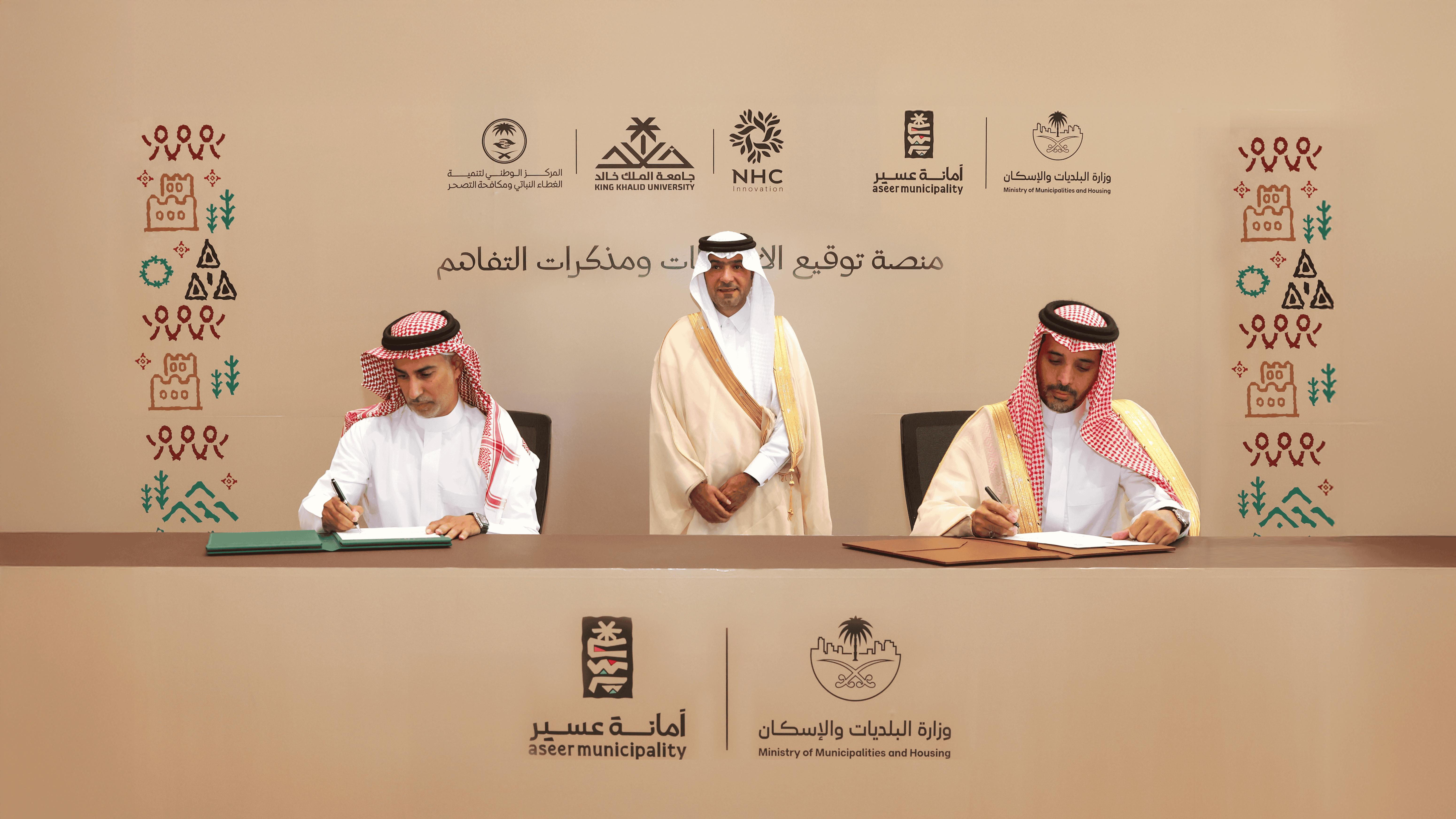
Balady, a subsidiary of NHC Innovation, has signed a strategic memorandum of understanding with the Asir Municipality, aiming to collaborate on vital areas that contribute to improving quality of life, developing digital municipal services, and supporting training and innovation. This partnership is set to enhance beneficiary experience and align with the digital transformation goals within the municipal sector. The memorandum was signed by His Excellency Engineer Abdullah bin Mahdi Al-Jali, Mayor of Asir Region, and Mr. Yasser bin Nasser Al-Obaidan, CEO of “Balady”, in the presence of His Excellency the Minister of Municipal and Rural Affairs and Housing, Mr. Majed bin Abdullah Al-Hogail. The CEO of “Balady” explained that this partnership supports the objectives of Saudi Vision 2030, by enabling digital transformation in the municipal and housing sectors, enhancing operational efficiency, and delivering innovative services that meet the aspirations of citizens and residents. It also contributes to building smart, sustainable cities centered on data and modern technologies. The memorandum aims to establish a strategic partnership between both parties to offer intelligent municipal services that boost beneficiary satisfaction and improve the quality of life for residents and visitors in the region. Furthermore, the agreement involves cooperation in training and capacity building, by providing Asir Municipality employees with opportunities to participate in workshops and training sessions organized by “Balady”, and by exchanging expertise to develop competencies and readiness of the working teams. The memorandum also includes studying the implementation of a “digital twin” project within the municipality, to support urban planning decisions through data analysis and understanding market and beneficiary needs, thereby improving decision-making efficiency and promoting urban sustainability. Additionally, the agreement covers the development and operation of “Fast Track” services and the provision of innovative technical solutions based on high operational standards, inspired by the best local and global practices in the municipal services sector.

The Ministry of Municipalities and Housing has announced an update to the requirements for non-food retail outlets, as part of its ongoing efforts to address visual clutter, strengthen compliance with municipal regulations, and organize the commercial business environment. These updates aim to achieve the sector’s developmental objectives and support investors in expanding and developing their business activities. The scope of the requirements applies to all wholesale and retail outlets selling non-food products—such as clothing, perfumes, shoes, stationery, and other included activities. The updated requirements can be accessed through the following link: https://momah.gov.sa/sites/default/files/2025-04/ashtratat%20mnafdh%20alby%60%20llmwad%20alghyr%20ghdhay%27yt.pdf The new updates cover several key areas, including various types of regulatory requirements: licensing requirements, spatial requirements, site and area specifications, and compatible additional activities, as well as technical and operational requirements. The new updates cover several key areas, including various types of regulatory requirements: licensing requirements, spatial requirements, site and area specifications, and compatible additional activities, as well as technical and operational requirements. The ministry called on investors and those wishing to operate non-food retail outlets to adhere to the specified requirements listed in the activity cards on the “Balady” platform, facilitating the issuance of commercial licenses and ensuring that activities are conducted in accordance with approved regulations.

"Balady" is participating in the Esri International User Conference 2025—the world's largest event dedicated to Geographic Information System (GIS) technologies—which will be held in San Diego, California from July 14 to 18, 2025. This participation comes under the umbrella of the General Authority for Survey and Geospatial Information, reaffirming the Kingdom’s commitment to strengthening its global position in the application of geospatial technologies, GeoAI (Geospatial Artificial Intelligence), and digital twin technologies. These efforts contribute to improving quality of life, enhancing municipal service efficiency, and enabling sustainable urban development. During the event, "Balady" will showcase its leading innovations and pioneering experiences, highlighting how GeoAI is harnessed to enhance smart field monitoring, land-use management, and to improve user experience through advanced digital solutions that have proven effective through tangible real-world applications. "Balady" will also present advanced demonstrations of digital twin technology in city management, featuring analytical models for crisis and flood response, population density analysis, congestion indicators, and urban planning to build smarter, more sustainable, and resilient cities. Yasser Al-Obaidan, CEO of "Balady" (a subsidiary of NHC Innovation), stated that participation in the Esri Conference is a strategic opportunity to showcase a national success story in utilizing spatial data and smart technologies to develop public services. He added that the goal is to strengthen technical partnerships and draw inspiration from global best practices to help build a more efficient and sustainable urban future. The Esri International User Conference is a valuable platform for knowledge and experience exchange, bringing together top experts, decision-makers, and innovators in the field of GIS. It focuses on presenting the latest technical advancements, expanding the use of spatial data to support decision-making, and empowering smart cities worldwide. It is worth noting that "Balady’s" participation in this global event aligns with its commitment to geospatial digital transformation and its active role in achieving Saudi Vision 2030 through sustainable smart cities driven by innovation and knowledge.
The Ministry of Municipalities and Housing has confirmed that objections to municipal violations, fines, and procedures are processed electronically through the “Unified Objections Platform” within a maximum of 15 days from the date of submission. This is in accordance with standardized procedures among the relevant regulatory authorities, reflecting the Ministry’s commitment to justice, transparency, and prompt response. The Ministry clarified in a press statement today that the platform allows for the submission and processing of objection requests without the need to visit ministry headquarters, main municipalities, or branch offices. This contributes to streamlining procedures and improving the experience for beneficiaries and clients. Beneficiaries can submit electronic objections to violations, fines, and municipal license requests through the “Balady” platform or application, with the ability to track the status of their request in real time via the following link: https://balady.gov.sa/en/services/objection-service Platform services are available to citizens and residents, whether they are owners or tenants, as well as to commercial and service enterprises, business sectors, real estate developers, and anyone subject to one of the penalties stipulated in the municipal violations regulations. The Ministry of Municipalities and Housing continues to develop its regulatory and legislative tools by working to standardize regulatory standards, enhance digital transparency, and ensure justice for all stakeholders and beneficiaries in all procedures related to municipal licensing and oversight.

The Ministry of Municipalities and Housing has achieved a new international milestone, receiving a Certificate of Excellence from the World Summit on the Information Society (WSIS) 2025, in the e-government track, for its technological innovation “Balady Lens.” The honor was awarded during the annual ceremony held in Geneva, Switzerland, after “Balady Lens” was selected from among hundreds of submissions from around the world. This certificate is considered one of the most prominent international awards overseen by the International Telecommunication Union, a United Nations agency, and aims to recognize innovative digital solutions that accelerate technological transformation and achieve sustainable development goals. The “Balady Lens” innovation employs artificial intelligence technologies to detect signs of visual distortion in cities, providing accurate field images and data that help relevant authorities make immediate decisions to address identified sites. This, in turn, positively impacts the urban landscape and the quality of life. The innovation secured its place among the top 360 projects out of 973 global contenders, reflecting the significant progress made by the Kingdom in adopting and utilizing modern technologies in governmental work. This achievement is an extension of the Ministry’s efforts to support digital transformation, boost the international profile of national innovations, and build effective partnerships in technology and knowledge fields, aligning with the goals of Saudi Vision 2030.